
Dangerous goods shipped first time, defensible at audit.
DG data is validated before an item exists, then carried through every pick, consignment and carrier declaration. Live at 3PLs and distributors across Australia, New Zealand, the UK and Canada.
Best practice live in weeks. Legacy systems take years.

- Units shipped annually on .wms
- 5 billion+
- Countries with Thomax-powered operations
- 30
- Businesses powered by Thomax
- 1,500+
- Uptime, last 12 months
- 99.99%
What a DG operation runs on .wms.
- UN number, class, packing group and proper shipping name checked before an item can be created, so bad DG data never reaches a pick.
- Carrier DG declarations, lithium battery details and DG labels raised with the consignment, for road, parcel and air carriers in every country you ship from.
- Storage zones by class and segregation rules the system enforces, on the floor and inside automated stores.
- One item record carrying the fields road, parcel and air paperwork ask for in Australia, the UK and Canada.
- Who received, moved, picked, packed and declared every DG line, with the time, as a report.
Freight that leaves the first time.
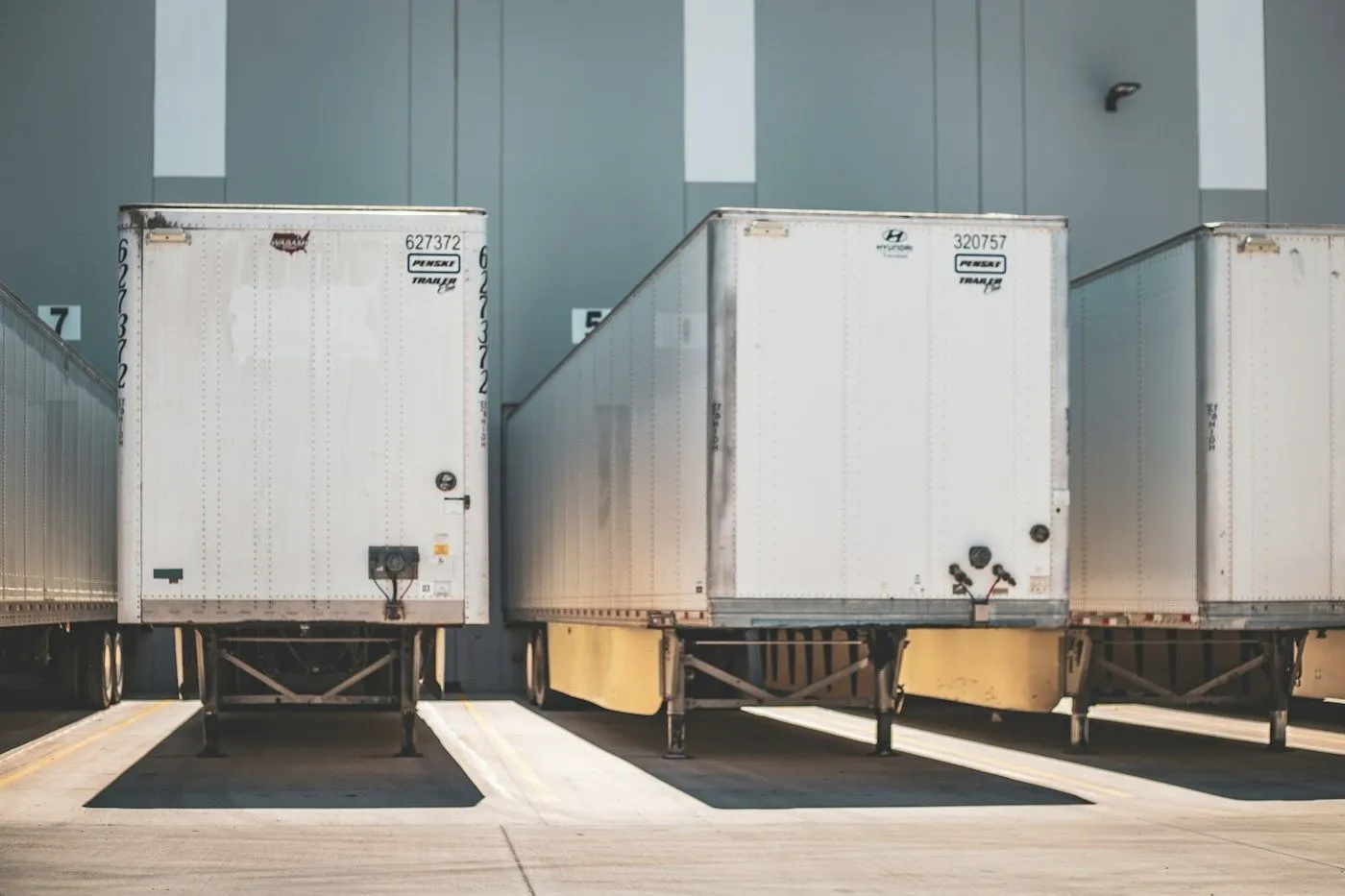
A refused DG consignment misses the cut-off, gets re-declared and re-labelled by hand, breaks the SLA, and with parcel carriers it can cost you the account. .wms raises the declaration with the consignment from the item record: lithium battery details for parcel and air carriers, flash point and tunnel code for UK and European road, TDG details on Canadian bills of lading, proper shipping name and packing group wherever the carrier asks for them. The label, the declaration and the end-of-day manifest agree because they come from one record.
DG paperwork and carrier DG declarations in daily use at 3PLs and distributors across Australia, New Zealand, the UK and Canada.
Bad DG data never reaches the floor.
Most DG failures start in the item master: a missing class, a battery line coded as general freight, a packing group nobody filled in. .wms checks the DG record when the item is created, whether your team keys it, a 3PL client loads it through the portal or an ERP feeds it, and the item is rejected until it is complete. So the gap is caught by the person creating the item, not by the carrier refusing the freight or the regulator reading the manifest. For 3PLs, a new client’s product master is validated at onboarding and DG handling and storage go straight on that client’s rate card.
DG data validated on creation at paint and coatings makers, chemical distributors, battery and aerosol retailers and 3PLs across four countries.
Segregation the system enforces.
Incompatible classes stored together is how incidents, prosecutions and insurance disputes start. .wms holds DG stock in zones by class and will not slot incompatible classes together; the rule sits on the item and the location, so it holds on the night shift without a supervisor. DG lines run inside their zones on the same waves as everything else, so the rest of the floor keeps picking. What is on site right now, by class and quantity, is a query for the site manifest and the emergency plan, not a walk of the aisles.
DG zones and segregation rules in use at distributors and 3PLs in Australia and the UK.
One record, every country, through to the truck.
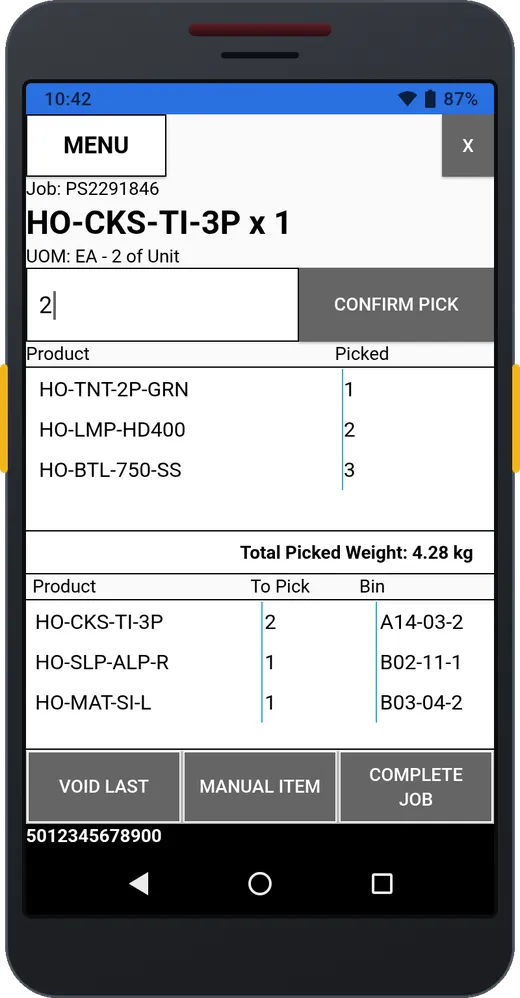
Operators shipping DG from Australia, the UK and Canada run one item record that carries the fields each regime’s paperwork asks for, on hosting in their region. On your own fleet the DG flag goes with the consignment into .tms, so the run sheet, the driver and the load agree on what is on board. Every receipt, move, pick, pack and declaration is logged with the user and the time and lands in your reporting tools, so the answer to the auditor, the client or the insurer is a report. 99.99% uptime over the last 12 months and 24/7 global support on the service level you choose.
Automation that keeps the classes apart.
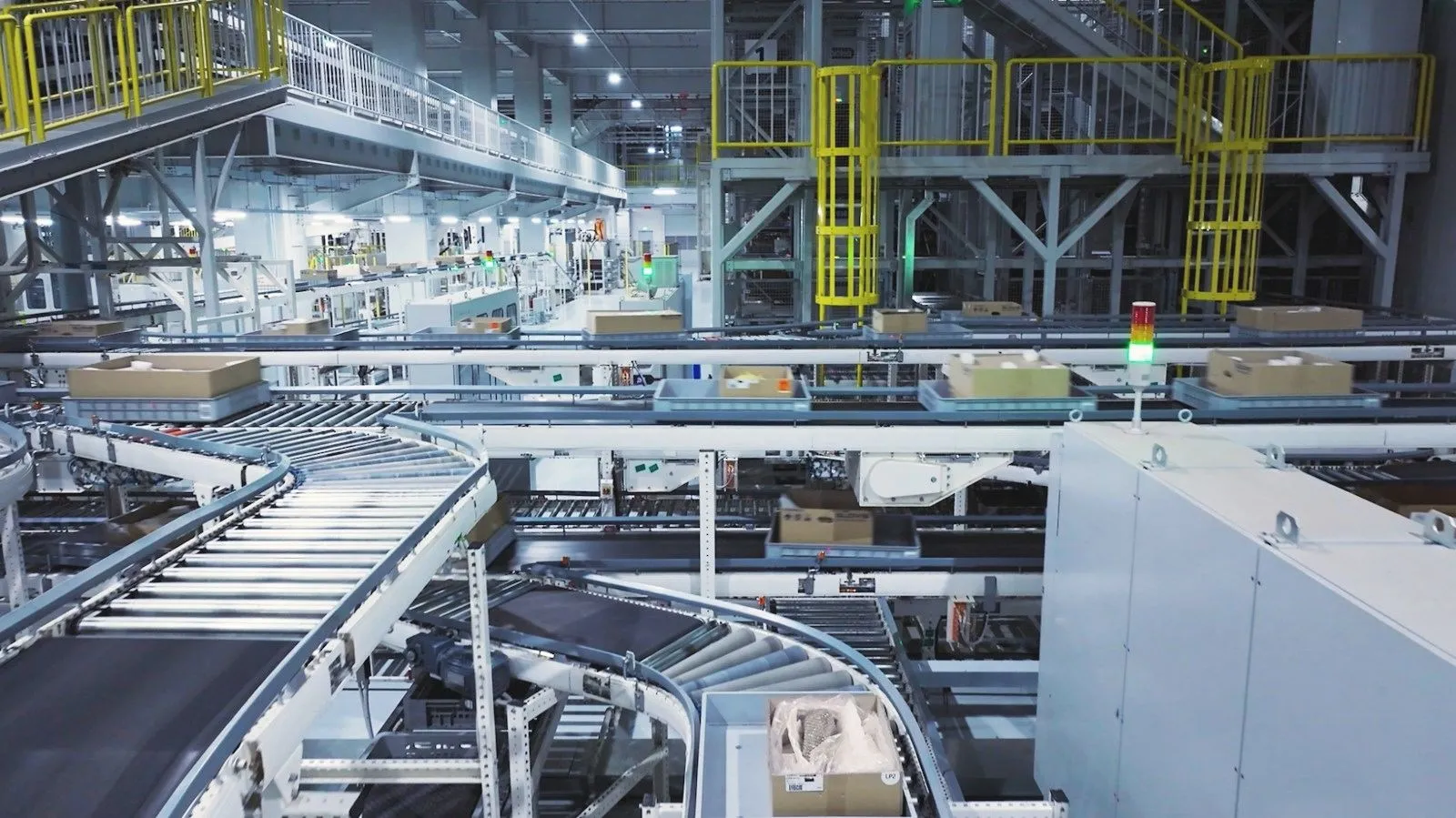
Dangerous goods live in their own AS/RS zones, VLMs or rack lanes by class, and .wms will not slot incompatible classes together. Conveyors and sorters route DG cartons to the right carrier lane with the declaration already raised and the lithium battery details already on the label. Aerosols, paints and chemicals run on the same waves as the rest of the range, whether the store is a Thomax-built shuttle system or a vendor’s grid integrated with .wms.
Dangerous goods on .wms.
Paint and coatings makers, chemical and gas distributors, battery and aerosol retailers and dangerous goods 3PLs run DG on .wms across Australia, New Zealand, the UK and Canada, part of Thomax-powered operations in 30 countries.
Miniclipper Logistics
Chosen after a thorough evaluation for a multi-client operation with dangerous goods, with sites going live 2025 to 2027.
Read the story: Miniclipper Logistics
DG shippers on .wms

Bring your DG item master and hardest carrier.
We will load it, show you every line that fails validation, and ship a consignment with the declaration that carrier expects. Best practice live in weeks, and many Thomax projects pay back in under 12 months.